
Career Exploration Activities for Students (Grades 9–12)
Fifteen low-preparation classroom activities that help students in Grades 9–12 discover their interests, explore careers and plan their next steps.
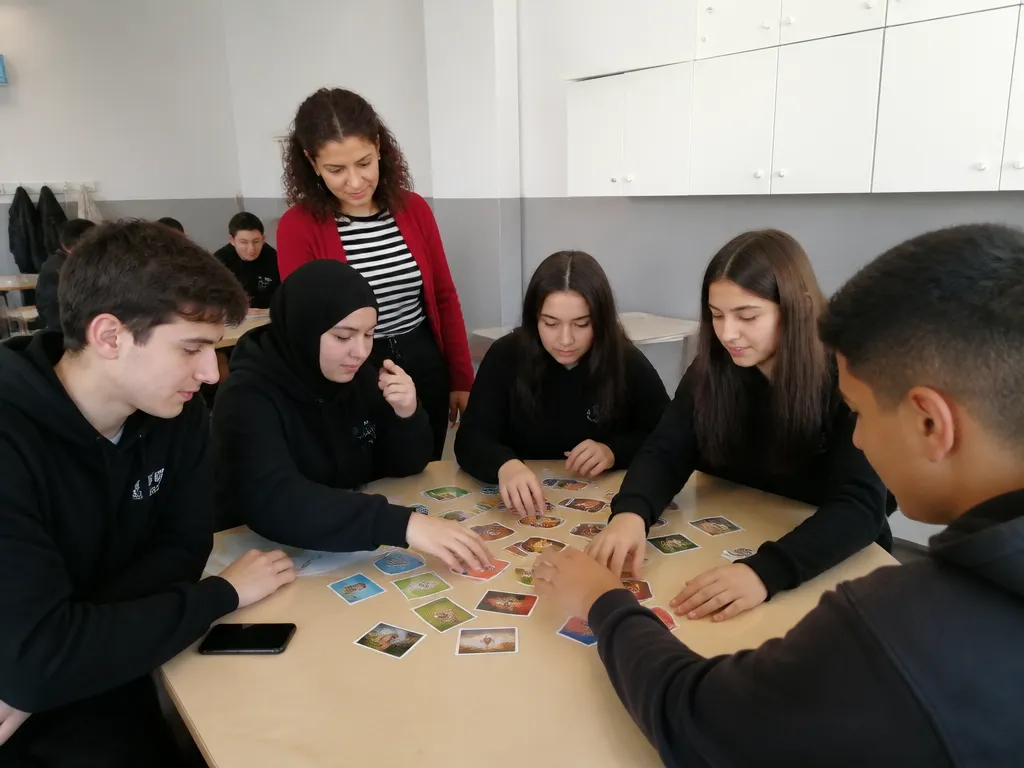
Career exploration activities help students connect what they learn at school with real jobs and real choices. Also, they do not need a big budget or a full-time counselor. This guide gives you 15 activities that each fit into one lesson or less and need little preparation. We sort them by grade and goal, so homeroom teachers and counselors can pick one and run it this week.
How to use these career exploration activities
Choose one activity per grade each month, rather than many at once, because short and regular work beats a single busy week. End every activity with one reflection question, such as “What did you learn about yourself today?” Then keep the answers in a simple folder for each student, so counselors can use them in one-to-one meetings. For a full calendar, see our year-long guidance plan, and for the bigger picture, our guide to building a career guidance program.
Career exploration activities for Grade 9: know yourself
1. Interest card sort (30 minutes). First, give each student 30 cards with everyday activities, such as “fix a bike”, “explain a lesson to a friend”, “design a poster” or “organise an event”. Students sort them into three piles: like, not sure and dislike. Then pairs look for patterns together.
2. Strengths interview (25 minutes). In pairs, students first tell a short story about something they are proud of. Meanwhile, the partner notes three strengths the story shows. Finally, each student writes down the three strengths with one example each.
3. Values auction (30 minutes). Every student gets 100 imaginary points and bids on values such as helping others, creativity, security, high income, free time and travel. Afterwards, the class discusses what each person “bought” and why it matters in a job.
4. Career alphabet race (15 minutes). Teams list one job for every letter in five minutes. Next, they circle the jobs they know nothing about. It is a quick, fun way to show how wide the world of work is.
Career exploration activities for Grade 10: explore the world of work
5. Job profile research (one lesson). Each student picks two careers, one familiar and one new. Then they read a profile on a free site such as My Next Move, which the US Department of Labor sponsors. Finally, they fill in a one-page sheet: main tasks, skills, study route and work setting.
6. Day-in-the-life interview (homework and 20 minutes in class). Students interview a relative or neighbour about their job with five set questions. Then, in the next lesson, each student shares one surprise.
7. Career clusters gallery walk (40 minutes). Put up one poster per field, such as health, engineering and technology, business, creative arts, education and public service. Groups add jobs, skills and school subjects on sticky notes, and then they rotate to the next poster.
8. Subject-to-career map (30 minutes). Each student takes a favourite subject and maps five careers that use it. This works especially well before students choose their subjects or stream.
Grade 11: connect careers to majors
9. Major detective (one lesson). Students choose one major and find out what first-year students study, what the entry requirements are and which careers it leads to. Our guide on how to choose the right university major gives them a clear method.
10. Alumni video call (40 minutes). A recent graduate joins online for questions. Before the call, students prepare questions in groups, and afterwards they write a short summary.
11. Job shadowing plan (20 minutes plus a half day). Students plan a half day with a professional. They write a goal and three questions before the visit, and then a short reflection after it.
12. Real-world challenge (one lesson). Groups solve a short brief from one field, for example planning appointments for a small clinic or designing simple packaging. Finally, the class lists the jobs that do this work every day.
Grade 12: decide and plan
13. Decision grid (30 minutes). Students compare their top three options against criteria such as interest, strengths, cost, entry requirements and location. Then they give each criterion a weight and see which option comes out on top.
14. Backwards application timeline (30 minutes). Students start from each deadline and plan backwards: tests, documents, a student CV and a personal statement.
15. Plan B workshop (30 minutes). Each student writes a plan B and a plan C for the main choice, such as another university, a related major or a planned gap year. As a result, uncertainty feels normal instead of scary.
Tips for running the activities
- Keep instructions short and show an example first.
- Mix individual, pair and group work.
- Invite parents to one activity a year, for example the interview or the decision grid.
- Adapt every activity for online classes with shared documents and video calls.
- Follow up with a career day or a visit, because real contact makes the activities stick.
How ILEAP helps schools
Career exploration activities work best inside a structured program. In ILEAP partner schools, career guidance starts with career coaching sessions and a 200-question assessment of personality, interests, values, skills, reasoning and university readiness. Each student then receives a detailed report on the iLEAP platform. In addition, the results feed into one-to-one counseling, meetings with field experts and a personal development plan. Our guide to career assessment explains how to use such results. Partner with ILEAP or see how the program fits your school calendar.
Frequently asked questions
How often should we run career exploration activities?
Once a month per grade is a good rhythm, because students need time between activities. Short, regular activities build more awareness than one busy week a year.
Can career exploration activities work online?
Yes. Research tasks, interviews and video calls work well online, and the card sort also works with digital cards.
Who should lead the activities?
Homeroom teachers can lead most of them with a short guide from the counselor. An external partner, however, helps when you need professionals or a full program.
More guides
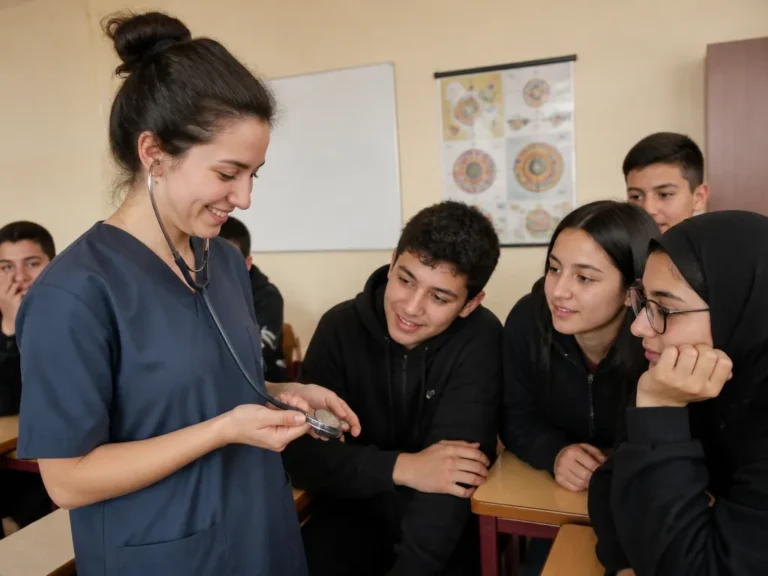
Career Education in Schools: How to Build Careers Into Every Subject
Why careers belong inside subjects and not only in the counselor's office, with subject-by-subject ideas, five-minute activities and a simple plan for…
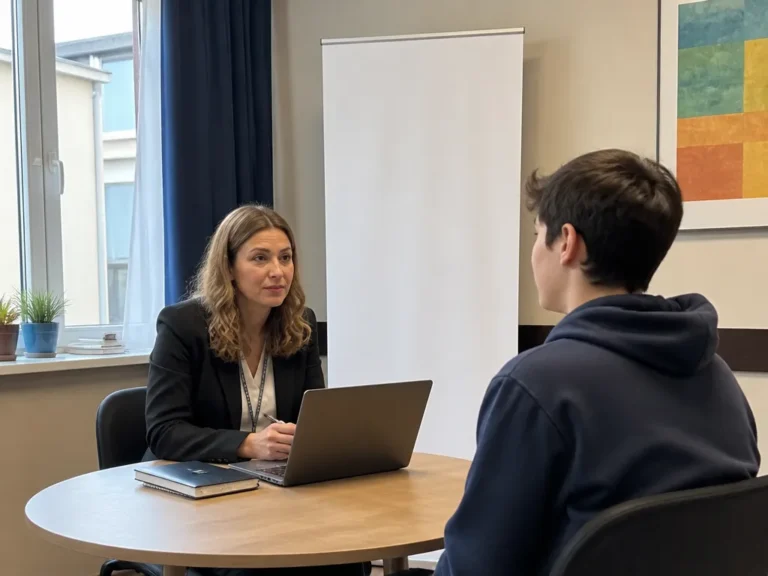
One-to-One Career Counseling for Students: How to Run a Session
A practical guide for school counselors and teachers: how to prepare, run and follow up a one-to-one career conversation that ends with…

Educational Field Trips for High School Students: Ideas and Planning
Good school trips start with a learning goal. Here are visit ideas for Grades 9–12, a planning timeline, the consent and staffing…