
Career Day Ideas for High Schools: A Ready-to-Run Plan
A career day works when students prepare, ask good questions and follow up. Here are formats, a timeline, a sample schedule and a checklist your team can use.
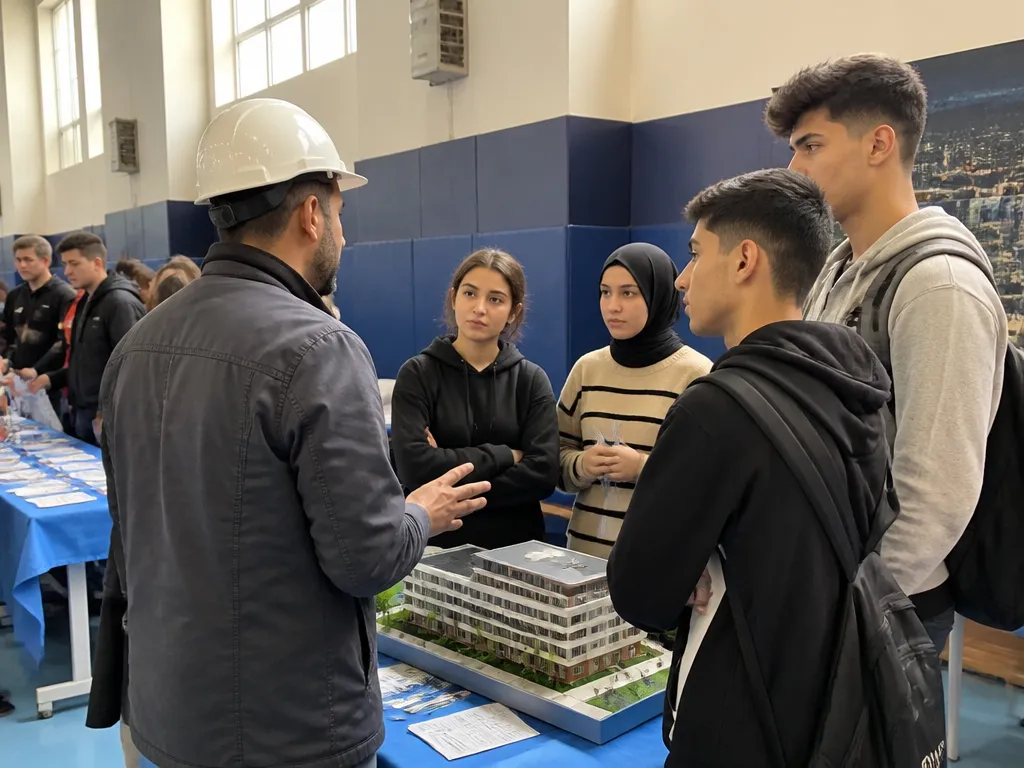
Career day ideas are easy to find, but a day that really changes how students think about their future needs a plan. Students should meet professionals, ask real questions and leave with a next step. This guide gives school leaders and counselors a ready-to-run plan: five formats, a six-week timeline, a sample schedule, a checklist and follow-up. A career day works on its own, but it works even better as part of a wider career guidance program.
Set a clear goal before you choose career day ideas
First decide what students should leave with, because the goal shapes every other choice. For example:
- Every Grade 10 student talks to at least two professionals from fields they do not know.
- Each Grade 11 student leaves with three careers to research and one contact through the school.
- All students write down one question they still need to answer.
Then choose the grades. A day for Grades 9 and 10 should give broad exposure, while a day for Grades 11 and 12 can focus on specific majors and university routes.
Career day ideas: five formats that work
Speaker panels
Three or four professionals from one field sit on stage for about 40 minutes, and a student moderates. Panels suit large groups. Ask each speaker to describe a normal working day, how they chose their path and one mistake they learned from.
Career stations
Each room or table hosts one field, such as health, engineering and technology, business, media and design, or public service. Students rotate every 15 to 20 minutes, so they see several fields in one morning.
Speed networking
Groups of four or five students sit with one professional for eight to ten minutes. Then a bell rings and the groups move on. As a result, every student has several real conversations instead of listening from the back row.
Hands-on workshops
Students learn by doing. For example, a nurse teaches basic first aid, an engineer runs a bridge-building challenge and a designer sets a short creative brief.
A mini career fair
Professionals, alumni and training providers set up tables in the hall during a long break or an afternoon. Students walk around with a question sheet and collect answers.
Turn career day ideas into a six-week timeline
- Six weeks before: set the goal, date, budget and team, and book the rooms.
- Five weeks before: invite speakers from among parents, alumni, local employers and partners.
- Four weeks before: survey students’ interests and fill the gaps in your list of fields.
- Three weeks before: send each speaker a short brief on the audience, timing and questions to cover.
- Two weeks before: prepare students with research and questions.
- One week before: confirm the schedule, rooms, badges, photo rules and volunteers, then send reminders.
In the brief, also ask speakers to talk honestly about their work and to avoid sales pitches.
A sample half-day schedule
- 08:30–09:00: welcome in the hall and a short talk on how careers are changing.
- 09:00–09:45: speaker panels by field.
- 09:45–10:00: break.
- 10:00–11:30: career stations or speed networking, in three rounds.
- 11:30–12:15: hands-on workshops.
- 12:15–12:30: reflection sheet and closing.
Checklist for the day
- Speaker list with fields, phone numbers and arrival times.
- Room map and a sign for each station.
- Student groups and a clear rotation plan.
- Printed question sheets and reflection sheets.
- Welcome desk with badges and water for speakers.
- Photo and consent rules that follow school policy.
- One team member in each room to keep time.
- Backup speaker or online guest in case someone cancels.
Prepare students before the day
The biggest difference between a strong and a weak career day is student preparation. Before the day, each student picks two fields, one familiar and one new. Then they read a short job profile for each, for example on the UK National Careers Service. Finally, they write three questions, such as “What does a normal day look like?” or “What would you study if you started again?”
Follow-up: make the day count
The day ends, but the learning should not. Within a week, run a short reflection lesson: what surprised you, and which career do you want to explore next? Then ask each student to choose one action, such as reading about a related major or asking the school to connect them with a speaker. Counselors can use these reflections in one-to-one meetings, and a short summary keeps parents informed. Finally, review feedback from students and speakers, and keep a list of willing speakers for next year. Our guide to career exploration activities offers short classroom activities for the weeks that follow.
More career day ideas on a small budget
- Invite parents and alumni first, because many are happy to help.
- Use video calls for speakers who live far away.
- Ask school staff to talk about the jobs they had before teaching.
- Run a “career café” at lunch, with one guest and open questions.
- Combine the day with a university fair, so students see careers and study routes together.
How ILEAP helps schools bring career day ideas to life
ILEAP brings real professionals into partner schools. Field experts from business, media and marketing, medical, and science and technology show students what their work is really like. In addition, young graduates share their university and career experience and answer questions honestly. The EXPERT and ELITE packages also add up to two specialized workshops in one field. Your school provides one point of contact, while the ILEAP team handles planning, coordination with experts and delivery. Partner with ILEAP or see how the program works.
Frequently asked questions
What are good career day ideas for a small school?
Speed networking and a mini career fair work well with only a few speakers. Five or six professionals, plus one or two video calls, can already cover a wide range of fields.
How many professionals do we need?
As a rough guide, plan one professional for every 15 to 20 students in stations or speed networking. Panels can serve a larger group with fewer speakers.
Which career day ideas suit each grade?
Grades 9 and 10 gain most from broad formats such as stations and fairs. Grades 11 and 12, on the other hand, benefit from panels and workshops linked to specific majors.
More guides

Career Education in Schools: How to Build Careers Into Every Subject
Why careers belong inside subjects and not only in the counselor's office, with subject-by-subject ideas, five-minute activities and a simple plan for…

One-to-One Career Counseling for Students: How to Run a Session
A practical guide for school counselors and teachers: how to prepare, run and follow up a one-to-one career conversation that ends with…
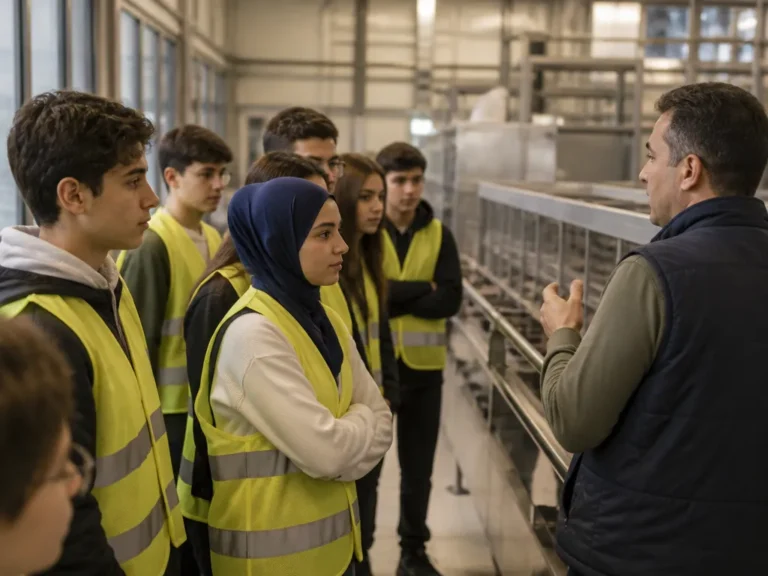
Educational Field Trips for High School Students: Ideas and Planning
Good school trips start with a learning goal. Here are visit ideas for Grades 9–12, a planning timeline, the consent and staffing…