
Career Guidance Lesson Plan: A Year-Long Calendar for Grades 9–12
A year-long guidance calendar for high schools: the focus of each grade, term-by-term activities, four sample lessons and tips to keep the plan alive.
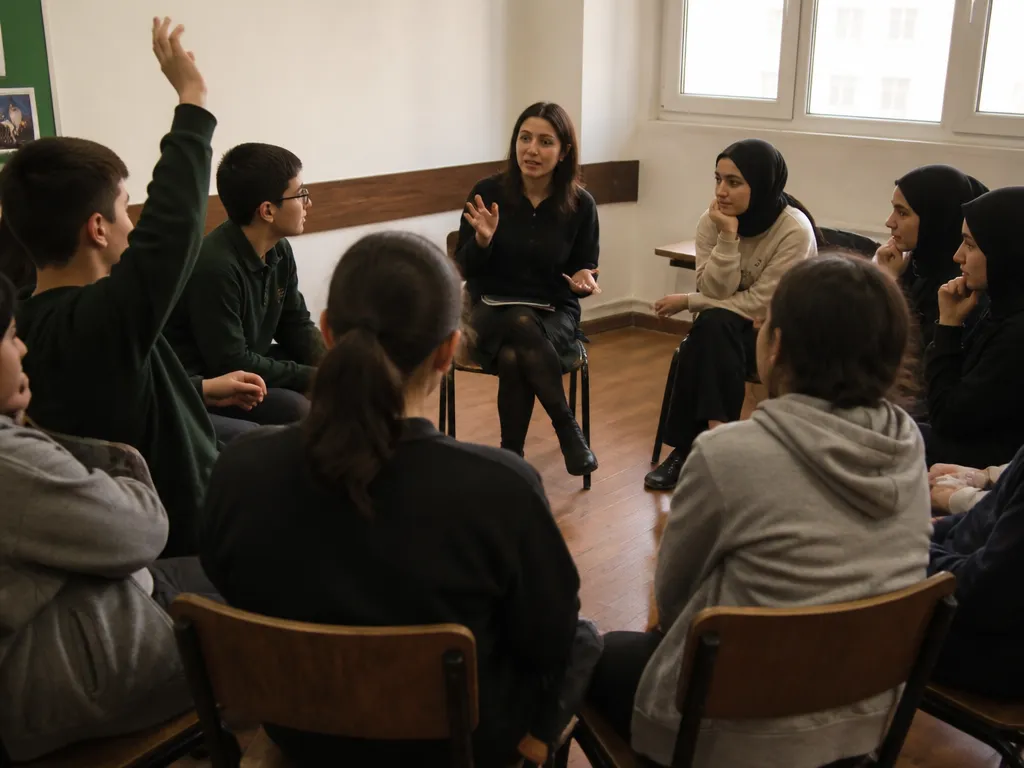
A career guidance lesson plan turns good intentions into a calendar. Many schools agree that guidance matters, yet sessions often happen only when someone finds a free hour. So this guide gives you a ready year-long plan for Grades 9 to 12, with the focus of each grade, what to do each term and four short lesson outlines. It is also the delivery side of our guide on how to build a career guidance program in your school.
Why a yearly career guidance lesson plan helps
A written plan makes guidance predictable. Students know what comes next, teachers can prepare, and parents see that the school takes the future seriously. Also, each year builds on the one before. As a result, Grade 12 students reach application season with real self-knowledge instead of panic.
National frameworks follow the same logic. In Türkiye, for example, the Ministry of National Education’s guidance regulation describes a class guidance programme with outcomes in three areas: social-emotional, academic and career. Each homeroom teacher then writes a class guidance plan for the year. The principal approves it by the second week of October at the latest, while the school counselor delivers the activities that need specialist skills.
How to build your career guidance lesson plan
First, balance the three areas. Each term should include something on self-knowledge and wellbeing, something on study skills and something on careers.
Second, give each grade one main goal:
- Grade 9: self-discovery.
- Grade 10: exploring fields and choosing subjects.
- Grade 11: majors, universities and entry requirements.
- Grade 12: applications and decisions.
Third, fit your timetable. However much guidance time your school has, plan fewer, better sessions rather than many rushed ones. Then add the school’s key dates, such as exams, subject-choice deadlines, open days and holidays. Finally, decide who leads each activity: the homeroom teacher, the counselor or a guest. Once you make these choices, your career guidance lesson plan almost writes itself.
Grade 9: the career guidance lesson plan for self-discovery
In Term 1, students settle in, build study habits, learn time management and get to know their classmates. Then in Term 2, they explore their interests, strengths and values, before a first look at career fields. For quick ideas, see our list of career exploration activities.
Sample lesson: “My strengths map” (40 minutes)
- Warm-up (5 minutes): each student writes three things they did well this month.
- Pair interviews (15 minutes): partners ask when the other felt proud or absorbed, and note the strengths they hear.
- The map (15 minutes): students sort their strengths into groups such as people, ideas, things and data.
- Exit card (5 minutes): one career they want to know more about, and why.
Grade 10: exploring fields and choosing subjects
In Term 1, students look at career fields and how jobs change, and they interview working adults. In Term 2, they turn to subject or track choices, and to what each choice opens or closes later. A career day also fits well in this year, because students now have real questions to ask.
Sample lesson: “Interview a professional” (40 minutes)
First, students prepare five open questions in class. Then they interview a family member or a neighbour at home. In the next lesson, each student shares one surprise from the interview, so careers start to feel real.
Grade 11 career guidance lesson plan: majors and universities
In Term 1, the class explores majors, university systems and entry requirements, with a career assessment as a starting point. Our guide to the career assessment for high school students explains how to use the results. In Term 2, students prepare for language and admission tests, visit universities or open days and build a first shortlist. This is also the year to start regular one-to-one career counseling.
Sample lesson: “Read a program page” (40 minutes)
In groups, students open the official page of one university program. Then they find the language of teaching, the entry requirements, the length, the costs and the deadline. Finally, each group reports one thing that surprised them.
Grade 12: applications and decisions
In Term 1, the focus moves to applications, the personal statement, recommendation letters and scholarship deadlines. In Term 2, students deal with offers and conditions, as our guide to the conditional offer explains. They also make final decisions, manage exam stress and prepare for university life.
Sample lesson: “My decision matrix” (40 minutes)
Each student lists two or three options and scores them against their own criteria, such as interest, cost, location and career prospects. Then they discuss the result with a partner. Finally, they write down one question to ask a parent or the counselor.
Tips to keep the career guidance lesson plan on track
- Name one owner, often the counselor, who checks progress every month.
- Involve subject teachers too, since short career links inside lessons add a lot, as our guide to career education in schools shows.
- Send parents the year’s calendar at the start of each term.
- Review each term, then drop or change what did not help.
- Keep simple evidence, such as exit cards, attendance and written plans.
How ILEAP helps deliver your career guidance lesson plan
ILEAP sessions fit into the school’s academic calendar, and your school only provides one point of contact. The ILEAP team then plans and delivers career coaching, meetings with field experts, university awareness sessions and University Open Days. In addition, one-to-one counseling is part of every package, and the ELITE package adds educational field trips for Grade 12 students. Students also complete a 200-question assessment, with a detailed report on the iLEAP platform. Partner with ILEAP or explore the program.
Frequently asked questions
How many guidance sessions does each grade need?
It depends on your timetable and national rules. However, a good start is one strong activity a month, plus one-to-one meetings in Grades 11 and 12.
Who should teach the career guidance lesson plan?
Usually homeroom teachers deliver the career guidance lesson plan, while the school counselor leads the activities that need specialist skills. Guests and partners then add real-world experience.
Can we start the plan in the middle of the year?
Yes. Begin with the current term of each grade, and also give Grade 12 students a quick catch-up session on decisions and deadlines.
More guides
Career Education in Schools: How to Build Careers Into Every Subject
Why careers belong inside subjects and not only in the counselor's office, with subject-by-subject ideas, five-minute activities and a simple plan for…
One-to-One Career Counseling for Students: How to Run a Session
A practical guide for school counselors and teachers: how to prepare, run and follow up a one-to-one career conversation that ends with…

Educational Field Trips for High School Students: Ideas and Planning
Good school trips start with a learning goal. Here are visit ideas for Grades 9–12, a planning timeline, the consent and staffing…