
Online YKS Course: Does It Work, and How Do You Choose One?
Online YKS preparation can work very well, or not at all. Here is when it helps, what to watch out for and how to choose the right course for your child.
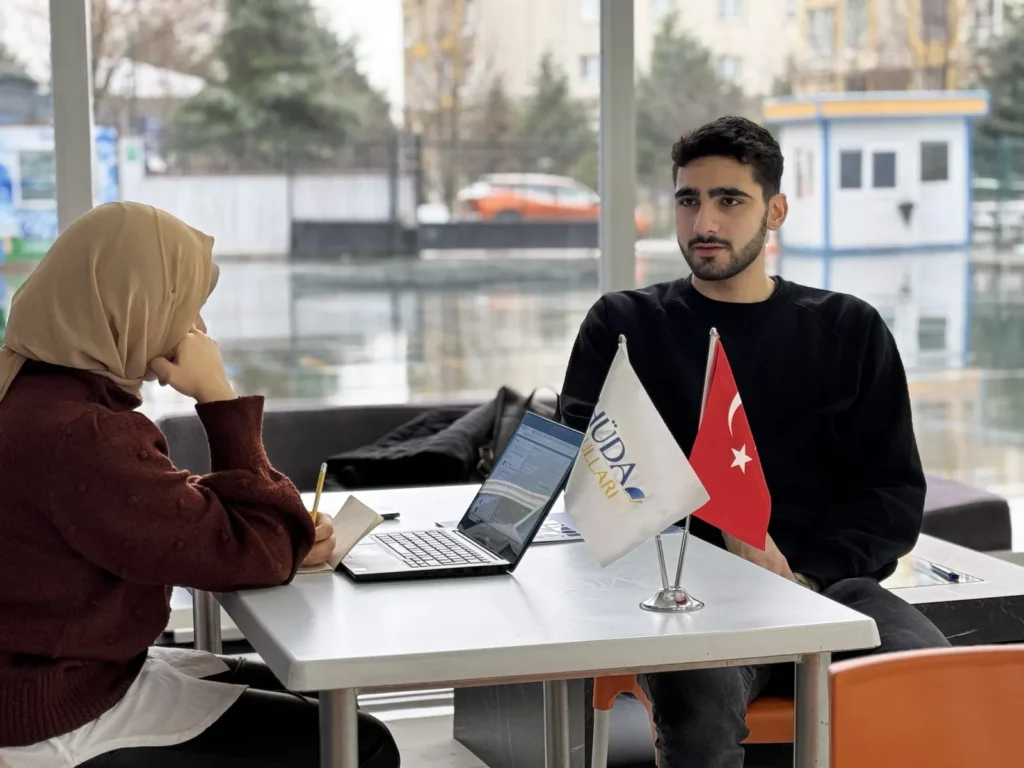
An online YKS course sounds perfect for busy families: no commute, lessons from home and good teachers wherever they are. But does it really work for an exam as long and as competitive as YKS? The honest answer is yes for many students, as long as the course is live, structured and tested by real practice exams. In this guide, we look at when online preparation works, where it falls short and how to choose a course with a clear checklist.
Does an online YKS course really work?
An online YKS course works when it has the same things that make any course good. Students need a clear plan, live teaching, regular practice exams and someone who follows their nets. The screen is only the channel. What decides the result is the content and the follow-up behind it.
When online preparation fails, the reason is usually not the internet. More often, the student only had recorded videos, studied alone and had nobody checking progress. In fact, the same student would probably struggle in a classroom without a plan, too.
When online preparation is a good fit
- You live far from a centre. Online classes remove hours of travel every week, and that time goes back into study.
- Your school day is long. When school finishes late, a lesson at home can still start on time.
- You like to review. When a course also records its live lessons, students can watch a difficult topic again.
- Your family moves or travels. The plan continues even when daily life changes.
Signs that online study may not suit you
- You find it very hard to focus at home, even for an hour.
- There is no quiet place to study, or the internet connection often drops.
- The basics are very weak, and you need a teacher right next to you for a while.
In these cases, an in-person group or a mix of both may work better. Our guide to private lessons or a course for YKS compares the main formats.
Live classes or recorded videos?
Recorded videos are cheap and flexible, but they cannot answer a question. They also give no rhythm, so many students stop watching after a few weeks. Live classes, on the other hand, follow a timetable, and students can ask questions at the moment they get lost.
For YKS, the best mix is usually live classes for teaching and recordings for review. Therefore, ask any online YKS course how much of the program is really live.
What a good online YKS course includes
- Live lessons on a fixed timetable, with the same teacher across the year.
- Timed practice exams in the real format. TYT has 120 questions in 165 minutes, and AYT has 160 questions in 180 minutes. The sample TYT booklet from ÖSYM shows the real layout.
- Practice on paper. Since the real exam is a paper exam, students should also solve full tests on paper at home.
- Net reports after every exam, so you know which topics cost points.
- Exam Turkish training, because TYT and AYT are only in Turkish.
- A plan for your score type, whether SAY, EA, SÖZ or DİL.
- Regular updates for parents.
How to choose an online YKS course
Before you pay for an online YKS course, go through this checklist:
- Join a live trial lesson. See how the teacher explains, and whether students can ask questions.
- Ask about the level test. A good course measures the real level first, and then places the student in the right group.
- Check the teaching language. For Arab students, explanations in Arabic with steady practice in Turkish usually work best.
- Ask how practice exams work online. Are they timed? How often? Who reviews the results with the student?
- Find out who follows up. A named teacher or advisor should review nets and stay in touch with parents.
- Test the technical side. Ask about the platform, the recordings and what happens if the connection drops.
- Get a written offer. It should list hours, subjects, dates, number of practice exams and the full fee.
- Walk away from guarantees. No course controls the ranking.
Our guide to choosing a YKS course in Istanbul adds more questions that also apply online.
How to make online study work at home
First, keep one fixed study place with a desk and no phone in reach. Then join every class with the camera on, because it keeps you active. Also, follow a weekly plan, such as the one in our YKS study plan guide. In addition, solve YKS past papers and take one full timed test on paper every week or two. Finally, the free MEBİ platform from MEB offers monthly mock exams in Turkish, which make good extra practice.
How ILEAP Academy runs its online YKS course
ILEAP Academy is one of the first Arabic centers in Istanbul specialised in YKS. We have three centers in Istanbul, and the same program runs online in live classes. Every student starts with a level test, then joins the right group. We explain topics in Arabic, train the Turkish of the exam step by step and run timed practice exams with clear net reports. Online students follow the same plan and the same practice exams as students in our centers. Discover ILEAP Academy to book a level test, and read our complete YKS exam guide for the bigger picture.
Frequently asked questions
Is an online YKS course as good as in person?
It can be, if online students get the same plan, the same practice exams and the same follow-up. Some students still focus better in a classroom, so a trial lesson helps you decide.
Can I follow an online course from outside Türkiye?
Yes, you can prepare from anywhere. However, the YKS exam centres are in Türkiye, so candidates who are abroad sit the exam in Ankara or İstanbul. Also check whether you need YKS at all in our guide to YKS for foreign students.
Are recorded lessons enough?
Usually not on their own. They help for review, but most students need live teaching and timed practice exams to keep a steady rhythm.
More guides
YKS Exam Date 2027: Expected Calendar, Registration and Fees
The expected YKS 2027 calendar, based on ÖSYM's pattern of the last three years, plus how to register as a foreign student,…
YKS Exam Day: Rules, What to Bring and Practical Tips
On YKS exam day, a missing printout or a forgotten watch can cost you the whole exam. Here are ÖSYM's rules, a…

YKS Exam Results: When They Come Out, How to Read Them and What Next
From results day to registration: when YKS results come out, what each number on the result page means and what to do…