
The Role of a School Counselor in Career and University Guidance
School counselors plan, advise and connect students, teachers and families. Here is what the role covers, how many students one counselor can serve and where outside partners help.
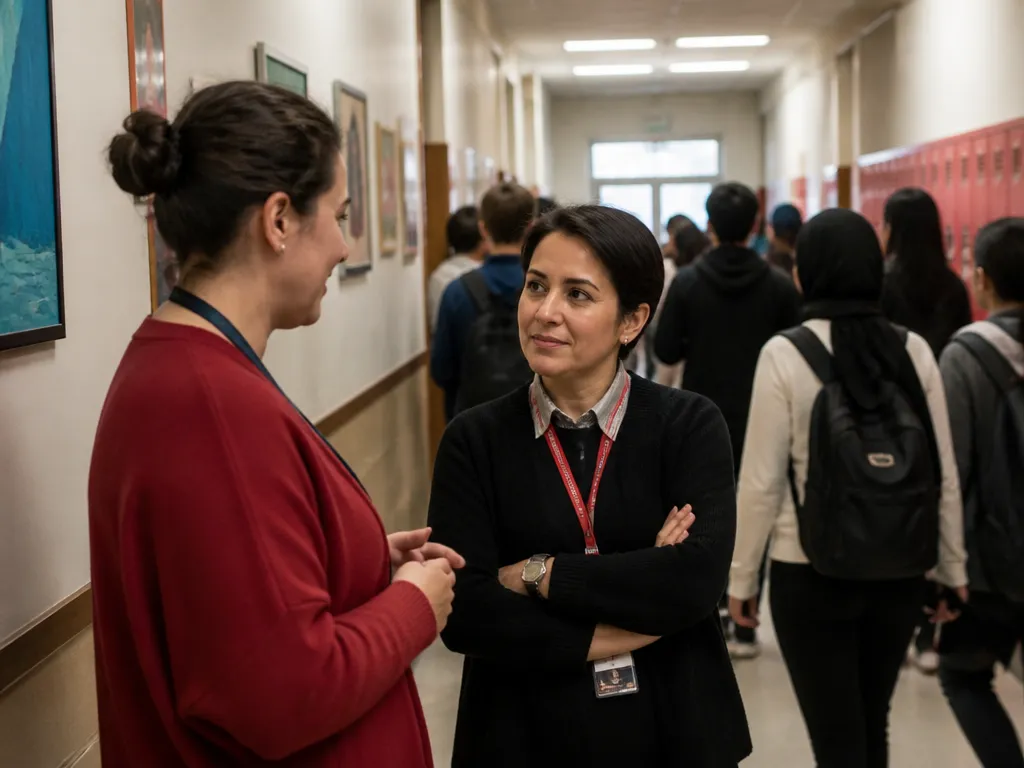
The role of a school counselor goes far beyond helping students who are in difficulty. In career and university guidance, the counselor plans activities and advises students one by one. The counselor also connects the school with families, universities and the world of work. This guide explains what counselors do and how many students one counselor can serve. It also shows how to work with teachers and parents, and where an external partner fits in.
What is the role of a school counselor?
The American School Counselor Association (ASCA) describes counselors as licensed educators with a master’s degree in school counseling. According to its role statement, they run a comprehensive school counseling program. Through it, every student gets support in three areas: academic, career and social/emotional development. So in practice, counselors help students study well, manage emotions, build relationships and plan for life after school.
Titles differ between countries. In Türkiye, for example, this person is the rehber öğretmen or psikolojik danışman. Arabic-speaking schools often say «المرشد الطلابي», the student counselor. Still, the core of the job is similar everywhere.
The role of a school counselor in career and university guidance
ASCA splits the work into direct and indirect services. According to its page on roles and ratios, counselors should spend 80% of their time on these two. As a result, all other duties should fill no more than the remaining fifth of their time.
Direct work with students
Direct work starts in the classroom, with short guidance lessons on self-knowledge, careers, majors and study skills. Then comes individual planning: choosing subjects, setting goals and building a list of majors and universities. Counselors also use assessments, grades and interests to discuss options with each student. Finally, they offer short-term support and focused career conversations, as our guide to one-to-one career counseling explains.
Indirect work for students
Indirect work happens around the student. For example, the counselor advises teachers and parents on how to support a student. With colleagues, the counselor also plans career days, university sessions and visits. When a student needs long-term support, the counselor refers them to the right specialist. In addition, good counselors track simple data: who has a plan, who has met deadlines and who needs more help.
How many students per counselor?
ASCA has recommended 250 students per school counselor since 1965. In the US, the national average for 2024–25 was 372 students per counselor, according to ASCA’s February 2026 press release. That is the lowest figure since ASCA began tracking in 1986. For high schools, the estimate is 195 to 224 students per counselor, from the 35 states that report it. So high schools meet the 250:1 goal for the first time. Elementary and middle schools, however, stay far above it.
Türkiye: the MEB norm
Türkiye uses a different rule. Under the Ministry of National Education’s staffing regulation, each lise with 150 or more students gets one guidance teacher position. Then it gets one more each time enrolment reaches 500 or a multiple of 500. So a lise of 150–499 students has one position, and a school of 500–999 has two.
However, this is a staffing norm, not a recommended caseload, so it does not match ASCA’s 250:1. Still, it shows why one counselor often serves several hundred students. That is why the role of a school counselor works best as part of a team.
How the role of a school counselor connects with teachers
Teachers see students every day, so counselors cannot do guidance without them. A good split looks like this:
- Homeroom teachers run short class guidance activities and notice students who need help.
- Subject teachers link their lessons to careers, as our guide to career education in schools shows.
- The counselor plans the year, trains colleagues, leads one-to-one meetings and handles referrals.
First, share a simple calendar with all staff at the start of the year. Then hold a short review meeting each term, because teachers often spot problems first.
Working with parents
Parents influence almost every decision about majors and universities. So counselors invite them to information evenings and share the guidance calendar. They also explain how to support a teenager without pressure. When a student agrees, a short meeting with a parent and the counselor can settle many disagreements early. Also, respect what the student wants to keep private, within your school’s rules.
Where an external partner supports the role of a school counselor
With hundreds of students each, counselors rarely have time to find field experts, contact universities and organise events alone. An external partner can take on that work, while the school counselor stays the coordinator and the person students trust. In this way, the role of a school counselor shifts from doing everything to leading the plan. Typical tasks for a partner include:
- Running a career day with professionals from several fields.
- Providing ready career exploration activities and assessments.
- Bringing university representatives to the school.
- Offering extra one-to-one sessions in busy months.
For the bigger picture, our guide to the career guidance program in schools explains how all these parts fit together.
How ILEAP supports the role of a school counselor
ILEAP runs its career and university guidance program entirely inside the school. Your school provides one point of contact, often the counselor. The ILEAP team then handles planning, coordination with experts and universities, and delivery. Every package includes career coaching sessions, University Open Days and one-to-one counseling. Students also complete a 200-question assessment with a detailed report on the iLEAP platform. As a result, the school counselor starts each conversation with real information. Partner with ILEAP or explore the program.
Frequently asked questions
What is the main role of a school counselor?
The main role of a school counselor is to support every student’s academic, career and social/emotional development. To do this, counselors use lessons, individual planning, counseling and referrals, together with teachers and families.
How many students should one school counselor have?
ASCA recommends 250 students per counselor. In Türkiye, however, a lise gets one guidance position from 150 students, plus one for each 500.
Can a school offer career guidance without a full-time counselor?
Yes. Many schools start with a coordinator, trained homeroom teachers and an external partner, and then grow the program over time.
More guides
Career Education in Schools: How to Build Careers Into Every Subject
Why careers belong inside subjects and not only in the counselor's office, with subject-by-subject ideas, five-minute activities and a simple plan for…
One-to-One Career Counseling for Students: How to Run a Session
A practical guide for school counselors and teachers: how to prepare, run and follow up a one-to-one career conversation that ends with…
Educational Field Trips for High School Students: Ideas and Planning
Good school trips start with a learning goal. Here are visit ideas for Grades 9–12, a planning timeline, the consent and staffing…