
Your Child Wants to Study Abroad: A Parent’s Guide
Your child has a plan to study abroad, and you have questions. This guide helps parents check readiness, choose a safe city and housing, plan the money and stay close from far away.
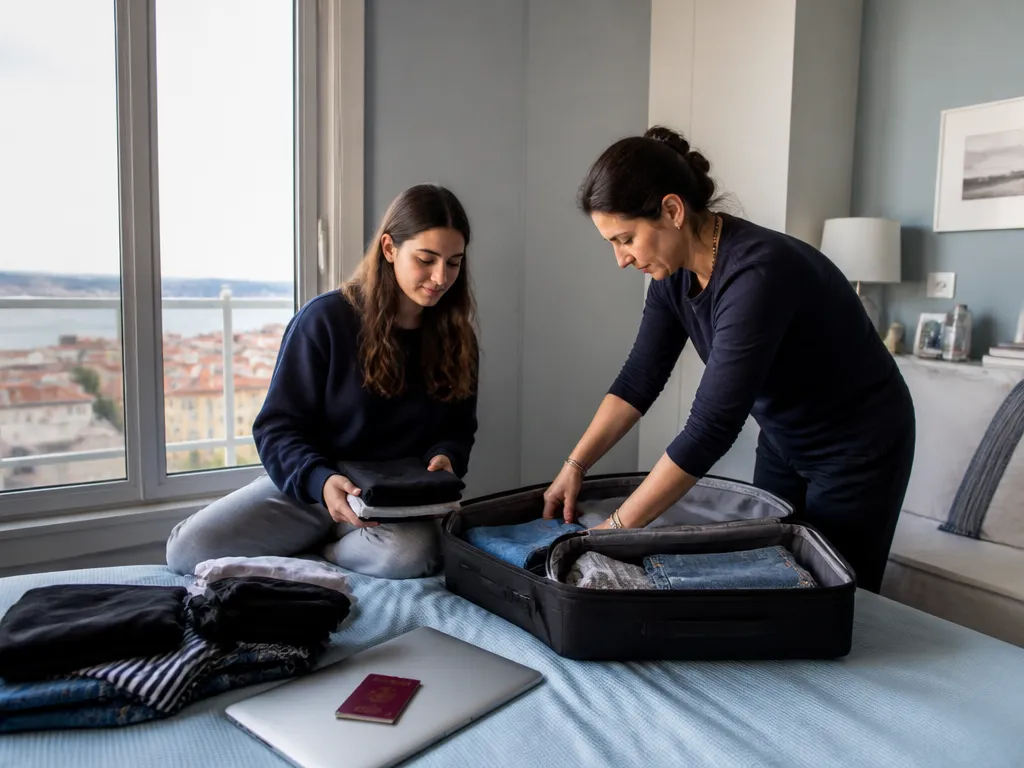
“My child wants to study abroad.” Many parents say this sentence with pride and worry at the same time. Your child already has an application checklist. You, however, need answers to other questions. Is my child ready? Where will they live? How will we stay close, and what will it really cost? This guide helps you answer them together, calmly and step by step.
My child wants to study abroad: start with the reasons
Before you talk about countries or costs, ask your child why. A clear reason makes every later decision easier, from the city to the budget. So listen first, and keep your own fears for the second conversation.
- What do you want to study, and why abroad rather than at home?
- Which countries or universities have you looked at so far?
- How do you picture a normal day there?
- What worries you about living on your own?
Some reasons hold up well, such as a specific program, a new language or a stronger career path. Others need a closer look, for example following a friend or escaping exams at home. Your job is to help your child turn a dream into a plan, not to decide for them. Then agree on what information you need and when you will decide together.
My child wants to study abroad, but are they ready?
Grades and test scores open the door. Daily life abroad, however, needs other skills. So answer these questions honestly.
Everyday independence
- Can your child plan the day and meet deadlines without reminders?
- Do they cook simple meals, do laundry and keep a room in order?
- Is a monthly budget something they can manage alone?
- Will they ask for help when something goes wrong, instead of hiding it?
Language and emotional readiness
Your child should be able to follow a lecture in the teaching language and handle a doctor’s visit. Emotional readiness matters just as much. Homesickness in the first weeks is common, so a student who can talk about feelings usually copes better.
If you are unsure, try a test run. For example, give your child one month at home to manage their own budget, appointments and meals. In addition, if your child will be under 18 on arrival, ask the university which extra rules apply, such as consent forms or special housing.
Safety: choosing a safe city and housing
Safety is often the biggest worry for parents, and good research helps most here.
Choosing the city
Start with official sources, not social media. Your own foreign ministry or embassy usually publishes travel advice, and the UK government’s foreign travel advice covers most countries too. Then check how far the housing is from the campus and how transport works at night. Finally, ask the university’s international office to connect you with students from your country.
Housing, health and emergencies
For the first year, university housing is often the simplest choice, because contracts are clear and other new students live nearby. Private rentals can work too, but they need more checks. Watch for these warning signs:
- A landlord asks for a deposit before you see the contract.
- The price is far below other offers in the same area.
- Someone refuses a video viewing or pushes you to pay today.
Never send money to a person or website you cannot verify. Many countries and universities also require health insurance for international students, so check what the policy covers. Finally, save the local emergency number and your embassy’s contact details on both phones.
Money: agree on the budget before the offer arrives
Money talks are easier before your child falls in love with one university, so build the family budget first, and then shortlist universities that fit it. A realistic budget covers tuition, housing, food, transport, insurance, visa costs, flights home and a buffer for emergencies. In addition, many countries ask for proof of funds before they issue a student visa, so the money must be ready early.
Our guide to the cheapest countries to study abroad compares total costs, and our family budget plan for studying abroad gives a line-by-line template. Scholarships can also change the picture, as our fully funded scholarships guide explains.
Staying in touch without hovering
Distance changes the relationship. The goal is to stay close while your child learns to stand alone.
- Agree on a rhythm, for example one video call a week plus short messages.
- Share key contacts: a flatmate, the international office and a trusted family friend nearby.
- Use location sharing only if your child agrees to it.
- Expect a hard moment in the first weeks, and listen before you offer solutions.
Some signs need quick attention, however. Your child stops answering for days, misses classes or runs out of money fast. In that case, stay calm and ask open questions. Then point them to the university’s student support service, because it exists for exactly these moments.
When my child wants to study abroad, what is my role?
The application belongs to your child. Our study abroad after high school checklist walks students through every step, from tests to visas. Your role is support: documents, translations, bank letters and an eye on the calendar.
Rules for visas, fees and admission change often and differ by country. So always check the official embassy and university pages, not forums or an agent’s promises. Our guides to studying in Germany, studying in the UK and the student visa explain the main steps, while official sites such as DAAD and UCAS give the current rules. Also ask each university about arrival support, first-year housing and an emergency contact. Finally, check with your ministry of education that your home country will recognise the degree.
How ILEAP helps families
If you are thinking “my child wants to study abroad, but where do we start?”, ILEAP’s university awareness sessions explain majors, university systems, admission requirements and costs before students apply. In partner schools, optional International University Open Days bring representatives from universities in different countries, so your child can ask directly about housing, support and student life. ILEAP works with more than 200 universities across seven countries. On the iLEAP platform, students also compare universities, plan costs and organise their documents. Learn about university awareness or explore the ILEAP program.
Frequently asked questions
My child wants to study abroad at 17. Is that too young?
Not always. Readiness matters more than age, and many students start university at 17 or 18. However, ask the university which rules apply to students under 18, and plan more support for the first months.
Should I travel with my child at the start?
Many families go for the first few days to help with housing and a bank account. That is fine, but keep the visit short, because your child needs to build their own routine. Also check the embassy rules for visitors, since you may need a visa too.
My child wants to study abroad, but we cannot afford it. What now?
Look at lower-cost countries, public universities and scholarships before you say no. Our guides to cheaper study destinations and scholarships are a good start. Another option is a strong program at home first, then an exchange semester or a master’s degree abroad later.
More guides
How to Discover Your Child’s Talents and Strengths
Talents rarely show up on a report card. This guide shows parents how to notice strengths at home, test them through real…
How Much Does Studying Abroad Cost? A Family Budget Plan
There is no single price tag for studying abroad. This guide shows families how to build a one-year budget line by line,…
How Parents Can Support Their Child’s Career and University Choices
Practical ways for parents to guide, not pressure, their teenagers as they choose a career, a major and a university.