
Study Abroad After High School: A Step-by-Step Checklist
A step-by-step checklist for students in Türkiye who want to study abroad: choosing a country, tests, documents, applications and visas.

Studying abroad can open doors to new languages, cultures and career opportunities, but it takes planning. Students who want to study abroad after high school usually do best when they start 12 to 18 months before their first semester. Use this step-by-step checklist to stay on track.
Step 1: Decide why you want to study abroad
Be clear about your goals: a specific program, international experience, a new language or better career opportunities. Your reasons will guide every other decision, from the country to the budget.
Step 2: Choose your countries and programs
Each country has its own strengths. ILEAP’s partner universities, for example, are spread across Germany, Spain, Malaysia, Türkiye, the UK, China and Malta. Compare destinations using the same questions:
- What is the language of instruction?
- How much are tuition fees and living costs?
- How long does the degree take?
- Are there scholarships for international students?
- Can students work during or after their studies?
Step 3: Check entry requirements early
Universities abroad may ask for specific high school subjects, minimum grades or a recognized diploma. In some countries, such as Germany, students with certain diplomas need a foundation year (Studienkolleg) before their degree, and the DAAD website explains the requirements for international students. Check the requirements in Grade 11, while you still have time to adjust your subjects.
Step 4: Prepare for language and admission tests
- English: IELTS, TOEFL iBT or, at many universities, the Duolingo English Test.
- Other languages: for example TestDaF or DSH for German-taught programs, or DELE for Spanish-taught programs.
- Admission tests: some universities and programs ask for the SAT or ACT, or run their own entrance exams.
Plan to take each test well before your deadline, so you have time to retake it if you need a higher score.
Step 5: Collect your documents
- A valid passport (check the expiry date).
- High school transcripts and diploma, with certified translations.
- Language and test certificates.
- A personal statement or motivation letter.
- One or two recommendation letters from teachers.
- A CV or list of activities, awards and volunteering.
- A portfolio for art, design or architecture programs.
Step 6: Write a strong personal statement
Your personal statement shows who you are beyond your grades. Explain why you chose the program, what you have already done to explore it and what you hope to achieve. Be specific and honest, and ask a teacher to read it before you submit.
Step 7: Apply before the deadlines
Every country has its own system and calendar. In the UK, applications go through UCAS, usually with a mid-October deadline for Oxford, Cambridge and most medicine courses and a late-January deadline for most other courses. In many other countries you apply directly to each university, often in rounds. Put every deadline in one calendar.
Step 8: Plan your budget and scholarships
Add up tuition, accommodation, health insurance, travel and everyday living costs. Look for scholarships from universities, governments and foundations, and note their deadlines, which are often earlier than admission deadlines. Many countries also ask for proof that you can cover your living costs when you apply for a student visa.
Step 9: Get your visa and prepare to move
- Apply for your student visa as soon as you receive your acceptance letter.
- Arrange accommodation and health insurance.
- Book your travel and plan your first week.
- Join student groups from your new university to meet people before you arrive.
A simple timeline to study abroad after high school
- 18 to 12 months before: research countries, programs and requirements.
- 12 to 9 months before: take language and admission tests, and list scholarships.
- 9 to 6 months before: write your personal statement and apply to universities and scholarships.
- 6 to 3 months before: accept an offer and apply for your visa.
- Last 3 months: accommodation, insurance and travel.
Tip: keep one folder, online or on paper, with every document, password and deadline. You will use it again and again.
How ILEAP helps
ILEAP partner schools can host optional International University Open Days, where representatives from universities in different countries meet students in person, plus live online sessions with universities that cannot visit. ILEAP works with more than 200 universities across seven countries. See our university partners or talk to us.
Considering Türkiye as well? Read our guide to university admission in Türkiye for international students.
Frequently asked questions
When should I start preparing to study abroad?
Ideally 12 to 18 months before your first semester, which for most students means during Grade 11.
Do I need IELTS to study abroad?
For English-taught programs, most universities ask for an English test such as IELTS or TOEFL. Some accept other tests, or waive the requirement for students from English-medium schools.
Can I study abroad with a scholarship?
Yes. Universities, governments and foundations all offer scholarships. Apply early, because many scholarship deadlines come before admission deadlines.
More guides
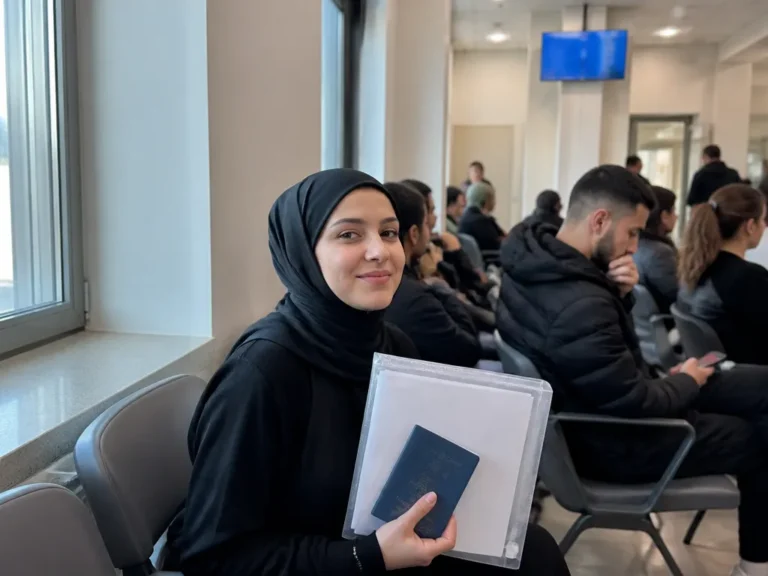
Student Visa Requirements: Documents, Proof of Funds and the Interview
A clear guide to the student visa: the documents most embassies ask for, how much money you must show in the UK,…

Fully Funded Scholarships for Undergraduate Students: Where to Look and How to Apply
Several governments offer fully funded scholarships to school leavers. Here is who can apply, what each award covers, when the calls usually…

Cheapest Countries to Study Abroad (and the Real Total Cost)
Low tuition is only one line of the bill. This guide compares official tuition rules in eight European countries and shows how…