
How to Discover Your Child’s Talents and Strengths
Talents rarely show up on a report card. This guide shows parents how to notice strengths at home, test them through real activities and use assessments wisely.
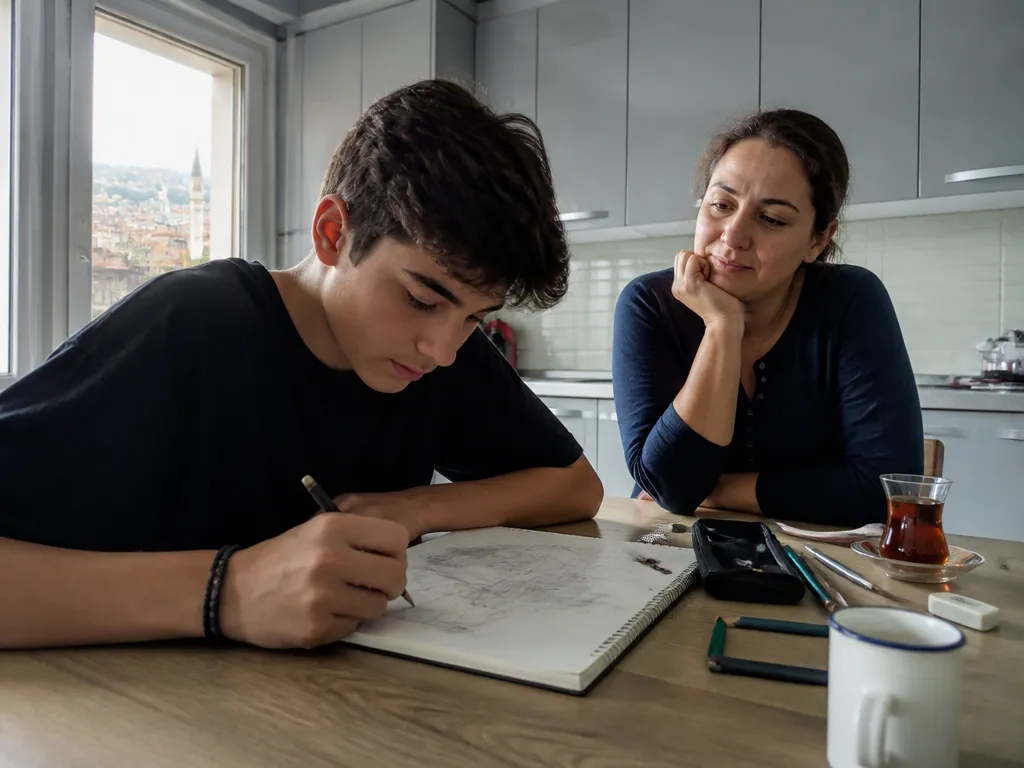
Every parent wonders what their child is naturally good at. You can discover your child’s talents without expensive tests or guesswork, because what you need most is time, attention and a few real experiences. Grades show part of the picture, but many strengths never appear on a report card. This guide explains how to notice them at home, how to test them through activities and how assessments can help, without myths or labels.
What it means to discover your child’s talents
A talent is something your child learns faster or does more easily than most people their age. A strength goes one step further: it is a talent that has grown through practice and that gives energy instead of draining it. That second part matters. For example, your teenager may be good at maths but dread it, while they can spend hours explaining things to younger cousins.
Talents are also broad. They include working with people, organising, building, persuading, caring, creating and solving problems, not only sport, music or art. Finally, talents develop over time. So the goal is not to find one fixed gift, but to notice patterns and help them grow.
Strengths and grades: why the report card is not the full picture
Grades show how well a student meets the school’s targets in each subject. They are useful, but they mix ability with other things, such as effort, the teacher and even sleep. A student with average grades can still have strong talents in leadership, design or practical work that school rarely tests.
On the other hand, a high grade does not always mean a talent. Some students earn top marks through hard work in subjects they do not enjoy. So, to discover your child’s talents, look at grades together with two other questions. What does my child do easily, and what gives them energy?
Watch first: how to discover your child’s talents at home
Observation is the most reliable tool you have, because you see your child in many different situations. For four weeks, keep a short note on your phone a few times a week. Write down what your child did, how long they stayed with it and how they seemed afterwards.
Signs worth noting
- What they choose to do in their free time, without anyone asking.
- Tasks where they lose track of time.
- Skills they pick up quickly, almost without effort.
- Questions they keep asking about one topic.
- Problems that friends or relatives bring to them for help.
- Activities that leave them energised rather than tired.
Ask people who see your child differently
Teachers, coaches, club leaders and relatives see sides of your child that you may miss. Ask them simple, specific questions, for example “When does my child seem most engaged?” Then compare their answers with your own notes. Patterns that appear in several places are usually the most reliable. Above all, ask your teenager what they are proud of and what they would do more of if they had time.
Let them try: activities that help you discover your child’s talents
Some talents stay hidden simply because a child has never tried the right activity. So offer a wide range of low-cost experiences, and give each one a fair trial of a few weeks.
- A club or team at school, such as debate, robotics, theatre, sport or the student council.
- Volunteering, for example tutoring younger students or helping at a local event.
- Short online or summer courses in a new subject.
- Small projects at home, such as fixing something, building a website or planning a family trip.
- Job shadowing for a day with a professional in a field they are curious about.
After each experience, talk briefly. What did your child enjoy? Which part felt easy? And what would they change next time? Treat a bad experience as useful information, not as a failure, because knowing what does not fit is progress too.
How assessments help you discover your child’s talents
A good assessment does not replace observation. However, it gives your family a structured starting point and a shared language. Interest and strengths assessments ask about activities, values and skills, and then suggest fields worth exploring. Our guide to career assessments for high school students explains how they work and how to read the results. You can also try free tools such as My Next Move. This career site, sponsored by the US Department of Labor, includes an interest profiler.
What to avoid
Be careful with products that claim to reveal a child’s talents from fingerprints, handwriting or a “left-brain or right-brain” type. There is no solid scientific evidence for these claims. Also avoid any test that ends with one perfect career. Results describe tendencies at one moment, so they are a reason to explore, not a verdict.
From strengths to next steps
Once you see a pattern, help your child use it. Talk about it in specific terms: “You explained that so clearly to your cousin” works better than “You are so smart”. Praise effort and concrete actions, because a fixed label such as “the artistic one” can limit a teenager.
Then link strengths to choices. For example, a student who enjoys explaining and organising could explore teaching, management or health careers. Finally, review the picture every few months, since interests often change in the teenage years. Our guide on how parents can support career choice shows how to keep these conversations open and free of pressure.
How ILEAP helps
If you want to discover your child’s talents with more structure, ILEAP can help at school. In ILEAP partner schools, career guidance starts with career coaching sessions and a 200-question assessment. It covers personality, interests, values, skills, reasoning and university readiness. Each student receives a detailed report on the iLEAP platform, and the results feed into one-to-one counseling and meetings with field experts. Students also get a personal career report and a 90-day development plan, so what you notice at home can turn into concrete steps. See how the assessment works or explore career guidance.
Frequently asked questions
At what age can you discover your child’s talents?
You can notice early signs at any age, but interests usually become clearer in the teenage years. For study and career choices, Grade 9 or 10 is a good time for a first structured look. Then review the picture again in Grade 11 or 12.
What if my child does not seem to have any talent?
Every child has strengths, although some are quiet ones, such as patience, reliability or kindness. Often the right activity simply has not come along yet. So widen the range of experiences, and watch for energy rather than excellence. If your child also feels stuck about the future, read our guide for when your child doesn’t know what to do.
Are talent tests accurate?
Good assessments are useful for spotting patterns in interests and strengths. However, they are a starting point, not a final answer. Combine the results with observation and real experiences.
More guides

How Much Does Studying Abroad Cost? A Family Budget Plan
There is no single price tag for studying abroad. This guide shows families how to build a one-year budget line by line,…

Your Child Wants to Study Abroad: A Parent’s Guide
Your child has a plan to study abroad, and you have questions. This guide helps parents check readiness, choose a safe city…

How Parents Can Support Their Child’s Career and University Choices
Practical ways for parents to guide, not pressure, their teenagers as they choose a career, a major and a university.