
Exam Stress: How Parents Can Help (and When to Get Support)
Some nerves before an exam are normal, but too much stress gets in the way. Here is how parents can spot it, ease it at home and know when to look for more help.
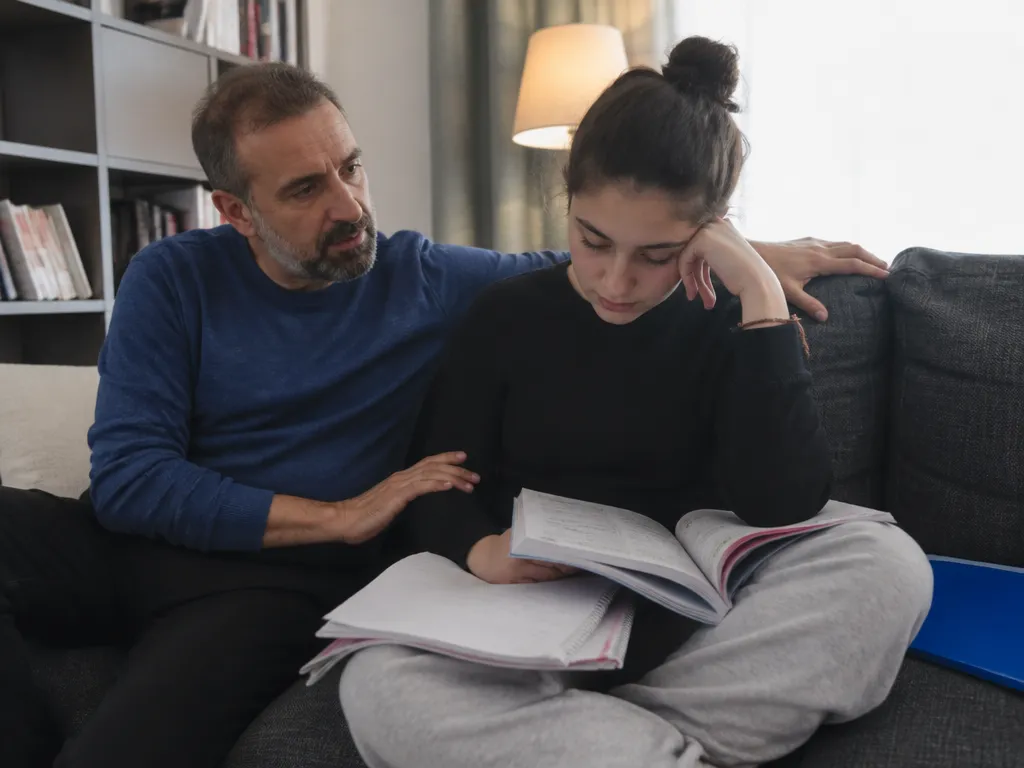
Exam stress is something almost every student feels at some point, and parents often feel it too. A little tension before a test is normal and can even help your child focus. However, when stress becomes constant, it can disturb sleep, appetite and concentration, and it makes revision harder. This guide shows the signs to watch, the routines that help at home, what to say and what to avoid, and when to look for professional support.
What exam stress looks like
Every child shows stress differently. Some become quiet, while others become irritable or restless. So watch for changes that last more than a few days.
Physical signs
- Trouble falling asleep, or waking up very early.
- Headaches, stomach aches or feeling sick before school.
- Eating much more or much less than usual.
- Tiredness that does not go away after rest.
Emotional and behavioral signs
- Irritability, tears or anger over small things.
- Negative talk, such as saying they will fail anyway.
- Avoiding revision, or studying all night in a panic.
- Pulling away from friends and from activities they enjoy.
Normal nerves or too much exam stress?
Normal nerves come and go. They rise before a test, then fall once it starts. Too much exam stress is different, because it stays for weeks and starts to block daily life. For example, your child may stop sleeping well, skip meals or freeze when they open a book. In that case, the routines below are a good first step, and the support section later in this guide tells you when to go further.
Daily routines that reduce exam stress
A calm, predictable day is one of the best protections against stress. The World Health Organization names healthy sleep and regular exercise among the habits that support teenagers’ mental well-being. Coping skills, problem solving and learning to manage emotions are on the same list. At home, that can look like this:
- Sleep: keep regular bedtimes, even in the week before the exam.
- Meals: offer regular meals and snacks, with water nearby during revision.
- Movement: a walk, a game or some sport each day helps the body release tension.
- A realistic plan: split revision into short blocks with breaks, and keep one free evening a week.
- Practice under real conditions: timed practice exams make the real day feel familiar.
- A quiet space: keep noise, visitors and family arguments low during revision hours.
What to say and what to avoid
Your words can lower the pressure or add to it. The aim is to show that you care about your child more than about the grade.
Helpful things to say
- Notice the effort: I can see how hard you are working, and I am proud of you.
- Offer help: What would help you most this week?
- Suggest a pause: Let’s take a short walk and come back to it later.
- Take the weight off the result: Whatever happens, we will find a way forward together.
Things to avoid saying
- Comparisons: Your cousin got top marks, so why can’t you?
- Disaster talk: If you fail this exam, your future is over.
- Dismissing feelings: Stop worrying, it is only an exam.
- Blame: You should have started months ago.
Instead, name the feeling and stay with it for a moment, for example by saying that chemistry seems to worry them a lot. Listening first often calms more than advice. For more ways to keep these talks calm, see our guide on how to talk to your teenager.
In the last days before the exam
The final days are about calm, not about new topics. So help your child review what they already know and keep sleep regular. Then prepare everything the night before: documents, pens, a water bottle and the route to the exam center. On the morning itself, a normal breakfast and leaving early prevent last-minute panic. Small habits like these keep exam stress low on the big day. For YKS families, our guide to YKS exam day lists the official rules and what to bring.
After the exam: results and next steps
Exam stress does not always end when the exam does. Waiting for results can be hard, and a disappointing score can hurt a teenager’s confidence. Talk first about what went well, then look at the options together. Most exams leave more than one route open: another attempt, a different program or a plan B. A calm plan B is not a failure, and saying so out loud helps your child move on.
When exam stress needs professional support
This guide is general information, not medical advice. If anxiety lasts for weeks or keeps getting stronger, talk to a school counselor or a health professional. Ask for help soon if you notice any of these signs:
- Panic attacks, with a racing heart or trouble breathing.
- Many nights of poor sleep in a row.
- Skipping meals, or big changes in weight.
- Refusing to go to school or to sit exams.
- Hopeless talk, or any sign that your child might hurt themselves.
If your child talks about self-harm or you fear for their safety, contact a health professional or emergency services right away. Asking for support early is a sign of care, not of failure.
Exam stress and YKS in Türkiye
For families in Türkiye, YKS often brings its own kind of exam stress, because one exam weekend in June shapes university placement. Clear facts help a lot. Our YKS guide for parents explains how the exam works, and our honest answer to is YKS hard shows which parts students can train. As a result, the exam usually feels smaller, for you and for your child.
How ILEAP Academy helps YKS families
If your child is preparing for YKS, a clear plan and regular practice take much of the fear out of the exam. ILEAP Academy is one of the first Arabic centers in Istanbul specialised in YKS. Every student starts with a level test, so the plan starts from their real level. Teachers explain topics in Arabic, train the Turkish of the exam and run timed practice exams, so the real exam feels familiar. ILEAP Academy has three centers in Istanbul, and the same program also runs online. Discover ILEAP Academy to book a level test.
Frequently asked questions
Is some exam stress normal?
Yes. A little stress before a test is normal and can sharpen focus. It becomes a problem when it lasts for weeks or stops your child from sleeping, eating or studying.
Should my child stop revising when stress is high?
A short break helps, but stopping completely often raises worry later. Instead, shrink the plan to small, clear tasks and add rest, movement and sleep.
Can parents make exam stress worse?
Sometimes, without meaning to. Constant questions about grades, comparisons and talk of disaster add pressure. On the other hand, calm routines and steady support help a lot.
More guides
How to Discover Your Child’s Talents and Strengths
Talents rarely show up on a report card. This guide shows parents how to notice strengths at home, test them through real…
How Much Does Studying Abroad Cost? A Family Budget Plan
There is no single price tag for studying abroad. This guide shows families how to build a one-year budget line by line,…

Your Child Wants to Study Abroad: A Parent’s Guide
Your child has a plan to study abroad, and you have questions. This guide helps parents check readiness, choose a safe city…