
Retake YKS: How a Second Attempt Works and How to Make It Count
Many students sit YKS more than once. Here are the rules for a second attempt, the 2026 numbers that show how common it is and a clear plan to do better next time.

Many students who are unhappy with their result ask whether they can retake YKS. The answer is yes: graduates can sit the exam again, and a second attempt is very common. In fact, in 2026, graduates who had never had a university place before outnumbered final-year students among all placed candidates. However, a retake comes with a few rules that you should know before you decide, especially about your diploma grade. In this guide, we explain those rules, what the numbers show and how to plan a stronger second year.
Can you retake YKS?
Yes. Graduates can apply for YKS every year, just like final-year high school students. Students who are already enrolled at a university can also retake YKS, and ÖSYM can place them in a new program.
There is one practical limit, though. According to the 2026 YKS guide, a student cannot stay enrolled in two formal bachelor’s programs, or two formal önlisans programs, at the same time. So if you win a new place, you must leave your old program before you register in the new one.
What the 2026 numbers say to students who retake YKS
ÖSYM’s 2026 placement statistics give every retaker good reason for hope. In 2026, 2,187,747 candidates had a placement score, and ÖSYM placed 730,854 of them, including open education. Here is who those placed candidates were:
- 378,664 earlier graduates who had never had a place before.
- 218,441 final-year students.
- 64,865 candidates who had a place in an earlier year.
- 48,895 candidates who already had a degree.
So graduates without an earlier place formed the largest group, well ahead of final-year students. In addition, 672,226 of these graduates applied for a place, and in our calculation, more than half of those applicants got one. A second attempt is therefore not unusual at all, since it is one of the most common roads into a Turkish university.
The OBP rule: why last year’s placement matters
Your diploma grade counts in YKS as OBP (ortaöğretim başarı puanı). ÖSYM multiplies your diploma grade out of 100 by 5, so OBP runs from 250 to 500. Then it adds OBP × 0.12 to your exam score, which means 30 to 60 extra points.
However, if ÖSYM placed you in a program with the previous year’s YKS scores, it halves your OBP coefficient. The 2026 guide says this applies “kayıt olsun veya olmasın”, that is, whether you registered or not. The same rule covers anyone who registered in a program through a university’s own special-talent exam the year before.
An example
Take a diploma grade of 80. Your OBP is then 400, and 400 × 0.12 adds 48 points to your score. With the halved coefficient (0.06), the same OBP adds only 24 points. That gap can cost you many places in the ranking, especially in competitive programs.
The exception
Some students won a place in their final year but could not register because they did not graduate from high school in time. They keep their full coefficient. ÖSYM checks this through e-Okul, so they do not need to send a petition.
What this means for your preferences
If you already know that you will retake YKS next year, think carefully before you submit preferences. A placement halves your coefficient even if you never register. On the other hand, a place in hand may still be the safer choice for many students.
Old scores do not carry over
You cannot reuse last year’s score. The 2026 guide states that 2026 central placement uses 2026 placement scores. As a result, every retaker sits TYT again, even for önlisans programs, and also AYT or YDT for bachelor’s programs. The only multi-year exception is narrow: disabled candidates’ TYT scores stay valid for two years for special-talent sports program applications.
How to plan a stronger attempt when you retake YKS
- Analyse your first result. Your ÖSYM result shows your correct and wrong answers in each test, so find where you lost the most nets.
- Fix your goal early. Choose your target programs and score type, then check their past base rankings on YÖK Atlas.
- Rebuild your TYT first. TYT counts for 40% of every score type, so it is often the fastest place to gain points.
- Use free official practice. MEBİ runs 12 national mock exams in 2026–27 for graduates too, and our guide to free YKS resources lists more.
- Keep a fixed weekly routine. Without school, structure is the biggest risk, so set study hours as if you still had classes.
- Watch the calendar. ÖSYM usually publishes the YKS calendar in November, and the exam is expected in June 2027.
Keep a plan B
A retake is a big decision, so keep other doors open as well. For example, önlisans programs need only a TYT score, and DGS can later lead to a bachelor’s in the same field. Our guide to the associate degree in Turkey explains this route. Parents can also find practical advice in our YKS guide for parents.
How ILEAP Academy helps you retake YKS
ILEAP Academy is one of the first Arabic centers in Istanbul specialised in YKS. Every student starts with a level test, so your new plan begins from your real level and not from last year’s result. Teachers explain the topics in Arabic and train the Turkish of the exam step by step. Then timed practice exams with clear net reports show your progress through the year. ILEAP Academy has three centers in Istanbul, and the same program also runs online. Discover ILEAP Academy to book a level test, and read our complete YKS exam guide for the full picture.
Frequently asked questions
Can I retake YKS if I am already at university?
Yes. You can sit YKS again and win a new place. However, you cannot stay enrolled in two formal bachelor’s programs at once, so you must leave your old program to register in the new one.
Can I use last year’s TYT score?
No. Placement uses only the current year’s scores, so you must sit TYT again. The only exception is a narrow rule for disabled candidates who apply to sports programs.
Will my diploma grade count less if I retake YKS?
Only if ÖSYM placed you in a program the previous year, or you registered through a special-talent exam. In that case, ÖSYM halves your OBP coefficient, whether you registered or not.
More guides
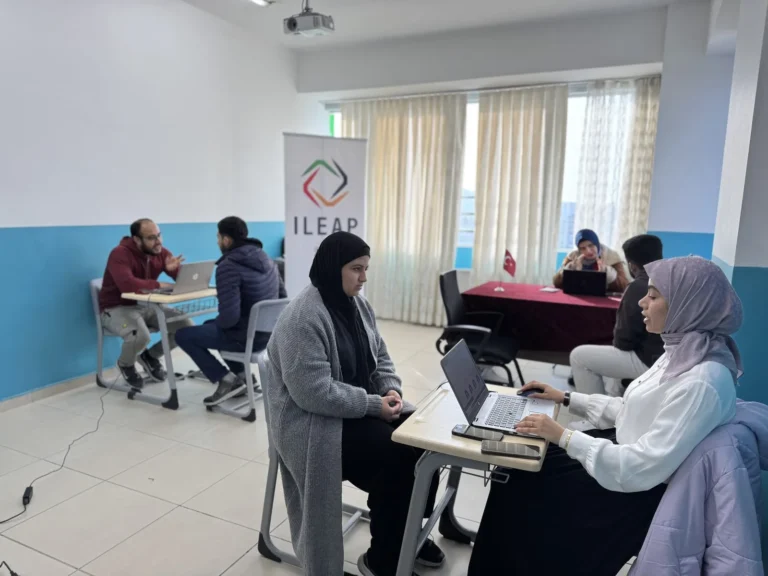
YKS Exam Date 2027: Expected Calendar, Registration and Fees
The expected YKS 2027 calendar, based on ÖSYM's pattern of the last three years, plus how to register as a foreign student,…
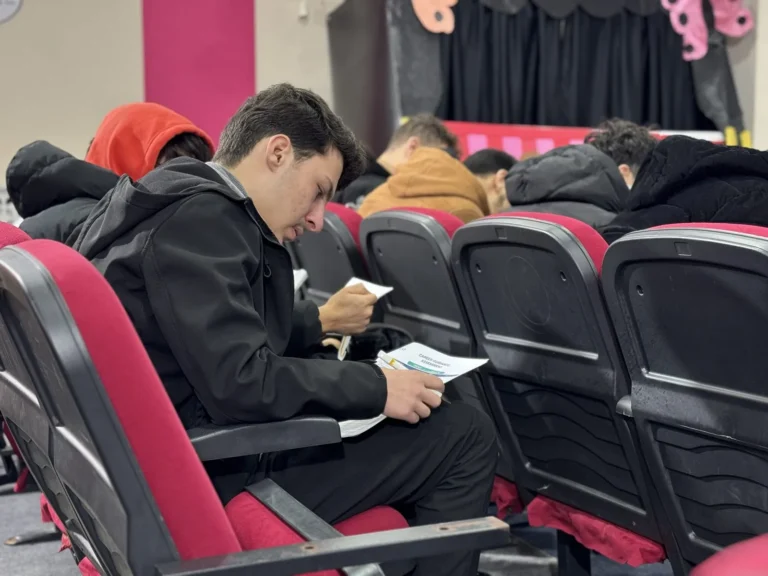
YKS Exam Day: Rules, What to Bring and Practical Tips
On YKS exam day, a missing printout or a forgotten watch can cost you the whole exam. Here are ÖSYM's rules, a…
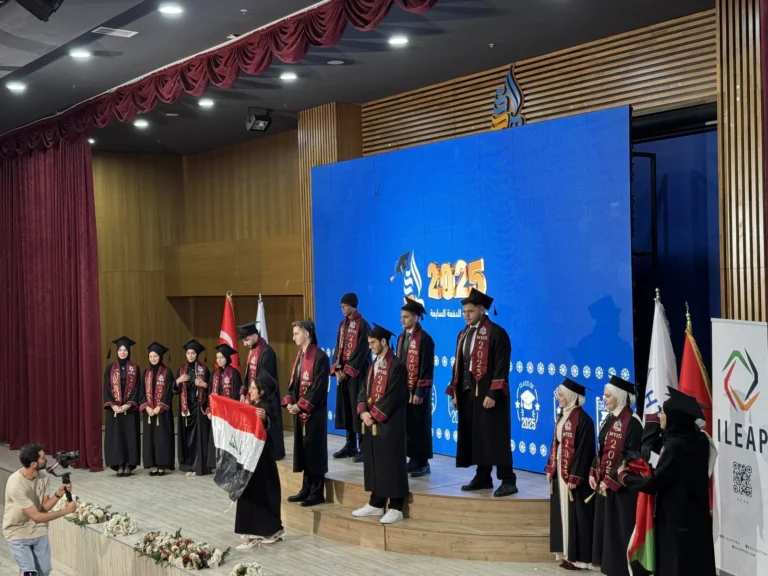
YKS Exam Results: When They Come Out, How to Read Them and What Next
From results day to registration: when YKS results come out, what each number on the result page means and what to do…