
Turkish for YKS: How Arab Students Can Read the Questions Faster
Turkish is the hidden subject of YKS. What the Turkish test asks, the question words that cost points, and a daily routine to read faster and more accurately.
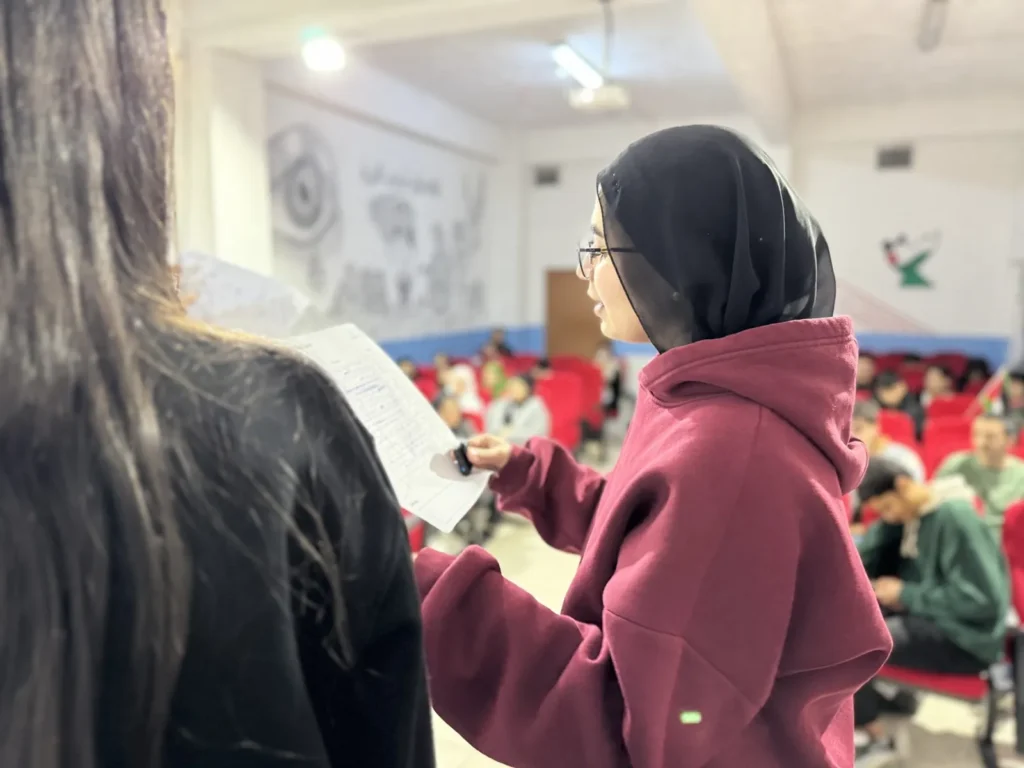
Turkish for YKS is the hidden subject that decides many results. Every question in TYT and AYT is written in Turkish, and TYT also has a full Turkish test with 40 questions. For Arab students, this means two challenges at once: learning the subjects and reading them quickly in Turkish. The good news is that exam Turkish is a limited, learnable language. This guide shows what it looks like and how to train it.
Two kinds of Turkish in the exam
The first kind is the TYT Turkish test. It has 40 questions on reading comprehension, paragraphs, grammar and word meaning. It is written for native speakers, so it is not a simple language test. In addition, Turkish carries 33% of the TYT score, the same weight as basic maths.
The second kind is the language of every other question. A maths, physics or history question still comes in Turkish sentences, often long ones. As a result, a student who knows the topic can still lose time or misread one small word. Both kinds of Turkish for YKS need practice, but they need different practice.
The question words that cost points
Many mistakes come from a few words. Learn these early, and underline them every time you see them:
- Aşağıdakilerden hangisi: which of the following.
- Değildir / yoktur: is not / there is not. A negative question asks for the wrong option.
- Yanlıştır / doğrudur: is false / is true.
- Kesinlikle: definitely. The answer must be certain, not only possible.
- Olabilir: can be. Here, any possible answer is enough.
- En az / en fazla: at least / at most.
- Ulaşılamaz: cannot be concluded. For example, “Bu parçadan aşağıdakilerden hangisine ulaşılamaz?” asks which statement the passage does not support.
For instance, a student who misses “değildir” picks the first true statement and loses the point immediately, even though they understood the whole passage.
Subject words in Turkish
Next, build a vocabulary notebook for each subject. In maths and science, the concepts are the same as in Arabic, but the words are new: türev (derivative), hız (speed), kuvvet (force), hücre (cell) and so on. Write the Turkish word, the Arabic meaning and one short example from a real question. Then review the notebook for ten minutes a day.
This method works because you already understand most concepts. You are not learning physics again; you are learning its Turkish labels. Therefore, progress is often faster than students expect.
A daily routine for exam Turkish
A short daily habit beats a long weekly session:
- Ten minutes of paragraph questions with a timer, from TYT practice books.
- Five minutes of review: why was each wrong answer wrong?
- Five minutes of vocabulary from your subject notebooks.
- Read one question aloud each day, slowly, and underline the key words.
After a month, start timing yourself more strictly. TYT gives you about 1.4 minutes per question, and paragraph questions are long, so speed is part of the skill. For the full structure of the tests, see our guide to TYT and AYT.
Practise Turkish for YKS with real questions
The best material is the real exam. ÖSYM publishes the question booklets after each exam, for example the 2026 TYT booklet. Start with the Turkish test, but also read the maths and science questions only for their language: which words appear again and again, and how the questions are built.
Then move to full timed sections. At first, many Arab students finish only part of the Turkish test in time. That is normal. In fact, tracking how many questions you finish, and how many you get right, is the clearest way to see your Turkish for YKS improve month by month.
Common mistakes with Turkish for YKS
- Translating every sentence into Arabic in your head, which doubles the time.
- Skipping the Turkish test to focus on maths, although it is a third of TYT.
- Memorising word lists without real questions around them.
- Waiting until your Turkish is “good enough” before starting timed practice exams.
How ILEAP Academy teaches exam Turkish
ILEAP Academy is one of the first Arabic centers in Istanbul specialised in YKS. Our teachers explain topics in Arabic first, then connect them to the Turkish terms and question patterns that appear in the exam. As a result, students understand the idea and recognise it in Turkish. Practice exams under real time limits train reading speed week by week. Classes run in person in Istanbul and online. Discover ILEAP Academy, and read our complete YKS exam guide for the bigger picture.
Frequently asked questions
Do I need a Turkish certificate for YKS?
No. YKS does not ask for a language certificate, but the exam itself is in Turkish, so you need strong reading skills.
How long does it take to learn exam Turkish?
It depends on your level. With daily practice, many students see clear progress in reading speed within two to three months.
Is the YDT test an alternative to Turkish?
No. YDT is a separate foreign language test for language programs, and you still need TYT, which includes the Turkish test.
More guides
YKS Exam Date 2027: Expected Calendar, Registration and Fees
The expected YKS 2027 calendar, based on ÖSYM's pattern of the last three years, plus how to register as a foreign student,…
YKS Exam Day: Rules, What to Bring and Practical Tips
On YKS exam day, a missing printout or a forgotten watch can cost you the whole exam. Here are ÖSYM's rules, a…
YKS Exam Results: When They Come Out, How to Read Them and What Next
From results day to registration: when YKS results come out, what each number on the result page means and what to do…