
Health Majors Beyond Medicine: Nursing, Physio, Lab Science and More
Love biology but unsure about medicine? These health majors lead to patient care, lab work and public health, each with its own study path and licensing rules.
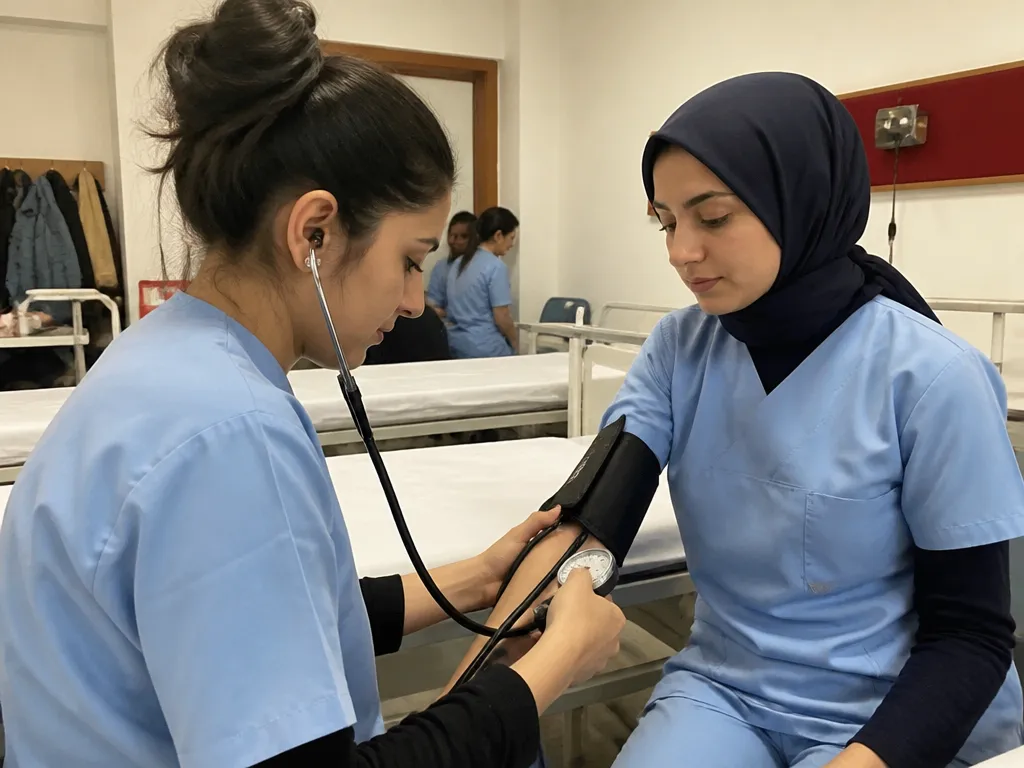
Many students love biology and want to help people, but they are not sure that medicine is right for them. The good news is that healthcare majors go far beyond medicine. Nursing, physiotherapy, medical laboratory science, radiography, nutrition and many other fields lead to real careers in health, often with shorter programs and a different daily routine. This guide explains the main options, what you study in each one and how to choose. Program lengths and licensing rules differ by country, so always check the official rules where you want to study and work.
Healthcare majors at a glance
Health majors fall into a few broad groups. Some put you at the patient’s side every day, while others keep you in the lab, behind a scanner or in the community:
- Hands-on care: nursing, midwifery, physiotherapy, occupational therapy, and speech and language therapy.
- Lab and diagnostics: medical laboratory science, radiography and medical imaging, audiology and optometry.
- Nutrition and public health: nutrition and dietetics, public health and health management.
- Emergency care: paramedic science and emergency medical care.
- Long professional degrees: medicine, dentistry and pharmacy.
Hands-on healthcare majors
Nursing. Nurses assess patients, give treatment, explain care to families and work closely with doctors. You study anatomy, physiology, pharmacology and nursing practice, with long clinical placements in hospitals. A nursing degree usually takes three to four years.
Midwifery. Midwives care for women during pregnancy, birth and the weeks after. In some countries midwifery is a separate degree, while in others it follows nursing.
Physiotherapy. Physiotherapists help people move again after an injury, surgery or illness. You study anatomy, movement science and exercise therapy, with a lot of practical work. In some countries it is a bachelor’s degree, but in others the path is longer.
Occupational therapy and speech therapy. Occupational therapists help people manage daily activities after illness or injury. Speech and language therapists, on the other hand, work with speech, language and swallowing problems.
Lab and diagnostic healthcare majors
Medical laboratory science. Lab scientists analyse blood, tissue and other samples, so that doctors can diagnose and treat disease. You study biology, chemistry, microbiology and lab techniques. This path suits students who like science but prefer less direct patient contact.
Radiography and medical imaging. Radiographers produce X-ray, CT, MRI and ultrasound images. As a result, the work combines physics, anatomy, technology and patient care.
Audiology and optometry. Audiologists test and treat hearing problems, while optometrists examine eyes and prescribe lenses. In some countries these are bachelor’s degrees, although elsewhere they come later.
Nutrition, public health and emergency care
Nutrition and dietetics. Dietitians, for example, plan diets for patients and healthy people in hospitals, clinics, schools and the food industry.
Public health and health management. These majors study the health of whole populations and the way hospitals and health systems run. You therefore learn statistics, epidemiology, health policy and management.
Paramedic science. Paramedics give emergency care before patients reach hospital, so they often work in ambulances and at the scene. Some countries train them through a degree, and others through shorter programs.
What about medicine, dentistry and pharmacy?
These remain the longest health degrees, and in most countries they are also among the most competitive. In Türkiye, for example, medicine takes six years, while dentistry and pharmacy take five. If you plan to study there, our guides explain medicine, dentistry and pharmacy through YKS.
Licensing rules for healthcare majors
Most health careers are regulated. In other words, a degree alone is often not enough, because you may also need registration, a licence or a national exam before you can work. These rules differ by country, and a degree from one country is not always accepted in another. So before you choose a program:
- Check which body regulates the profession in the country where you want to work.
- Ask whether the program is approved for licensing there.
- Find out whether foreign graduates need extra exams, training or a language test.
The UK’s NHS Health Careers site and the US Occupational Outlook Handbook for healthcare jobs describe many health roles and their training routes.
How to choose between healthcare majors
- Decide how much patient contact you want. Nursing and physiotherapy mean daily contact, while lab science means mostly samples and machines.
- Be honest about stress and shifts. Some roles involve night shifts, emergencies or difficult moments with patients and families.
- Check the science load. Most health majors need biology and chemistry, and some also need physics or maths.
- Visit or volunteer where you can. A day in a hospital, clinic or lab shows you more than any brochure.
- Compare program length and licensing. A shorter degree can lead to work sooner, but check where it lets you practise.
Then use our guide on how to choose the right university major for the final decision, and browse our university majors list for other fields. If workload worries you, also read about the hardest and easiest majors.
How ILEAP helps
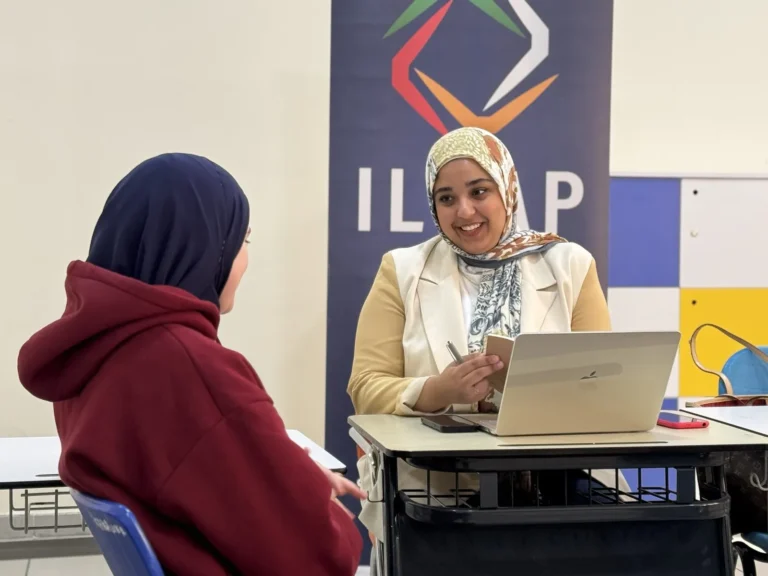
ILEAP’s school program includes meetings with field experts from different areas, including the medical field. In ILEAP partner schools, students hear real health professionals talk about their daily work, and young graduates share their university experience honestly. One-to-one counseling then helps each student compare health majors with their own interests and strengths. Explore the ILEAP program or see our fields and experts.
Frequently asked questions
Which healthcare majors are closest to medicine?
Nursing, physiotherapy and paramedic science involve the most direct clinical work. Medical laboratory science and radiography, by contrast, support diagnosis behind the scenes.
Do I need high grades in biology and chemistry?
Usually yes, because these subjects form the base of most health majors. Entry requirements still differ by country and program, so check them early.
Can I work abroad with a health degree?
Sometimes, but not automatically. Health professions are regulated, so you usually need to register with the authority of the new country, and you may need extra exams or a language test.
More guides

Changing Your Major: When It Makes Sense and How to Do It
Picked the wrong major? Here are the warning signs, your four main options and what each one costs, plus the key transfer…
How to Choose the Right University Major: A Step-by-Step Guide
A practical, six-step guide for high school students who want to choose a university major with confidence.

Computer Science, Computer Engineering or Software Engineering?
CS, computer engineering, software engineering, IT, data science, AI and cybersecurity sound alike. Here is how they typically differ in courses, maths…